
ADVENTUROUS TEACHING STARTS HERE.

TEACHING OTHELLO: What makes Iago Shakespeare’s Perfect Villain?
When it comes to choosing a Shakespeare play to teach to your high school students, there are a lot of factors to consider, but none more pressing than will this be engaging for our (mostly) disengaged students?
Engagement in learning is at an all-time low, so it is rapidly becoming a driving decision-making factor for teachers. Shakespeare, to begin with, has historically been written off by many as out of touch, irrelevant, and not necessary for students in their everyday lives. And while this has not been my experience at all, I can completely understand how it may have been the case for teachers.
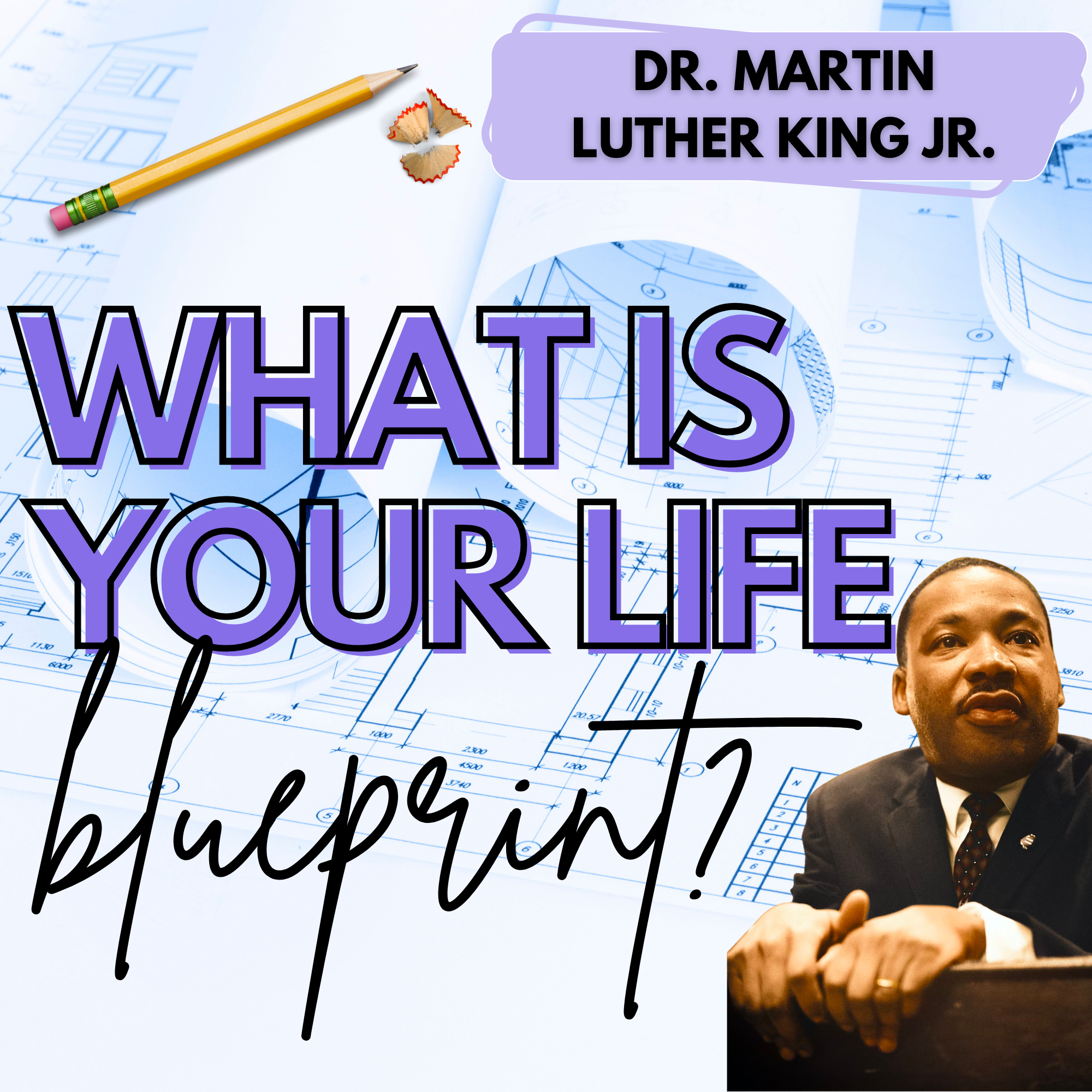
Life's Blueprint: An ELA Lesson Honoring Dr. Martin Luther King Jr.
Dr. King’s legacy is especially powerful in the ELA classroom: his words, his rhetoric, and the passion with which he speaks them is not only worthy of study in its own right, but the overlaps into our content area make the analysis of the layers of his work that much more rich and impactful. Here is a free lesson walkthrough for your middle or high school English class celebrating Martin Luther King Jr.’s birthday.

Does Taylor Swift have a place in the ELA Classroom?
And here's the thing: if your students are talking about Taylor, then so should you. This is an open door into engagement and skill building that is not to be missed. Here are three ways to pull the power of Taylor into your classroom and spike engagement among your students…

20 Speeches and Text for Introducing SPACE CAT and Rhetorical Analysis
During the introductory phases of teaching rhetorical analysis, you need to start off with texts that are approachable and teachable. This helps to build student confidence as the texts get harder and harder each year. Here are 20 places where you can start that journey confidently!

11 Best Movie Scenes to Introduce Rhetorical Analysis
Rhetorical analysis is a skill that needs practice and reinforcement all year long. Using various moments from movies and film offer a great chance to examine both the rhetorical situation and the arguments themselves. Check out these eleven movie suggestions to teach rhetorical analysis including various Disney movies, The Notebook, and We Are Marshall.
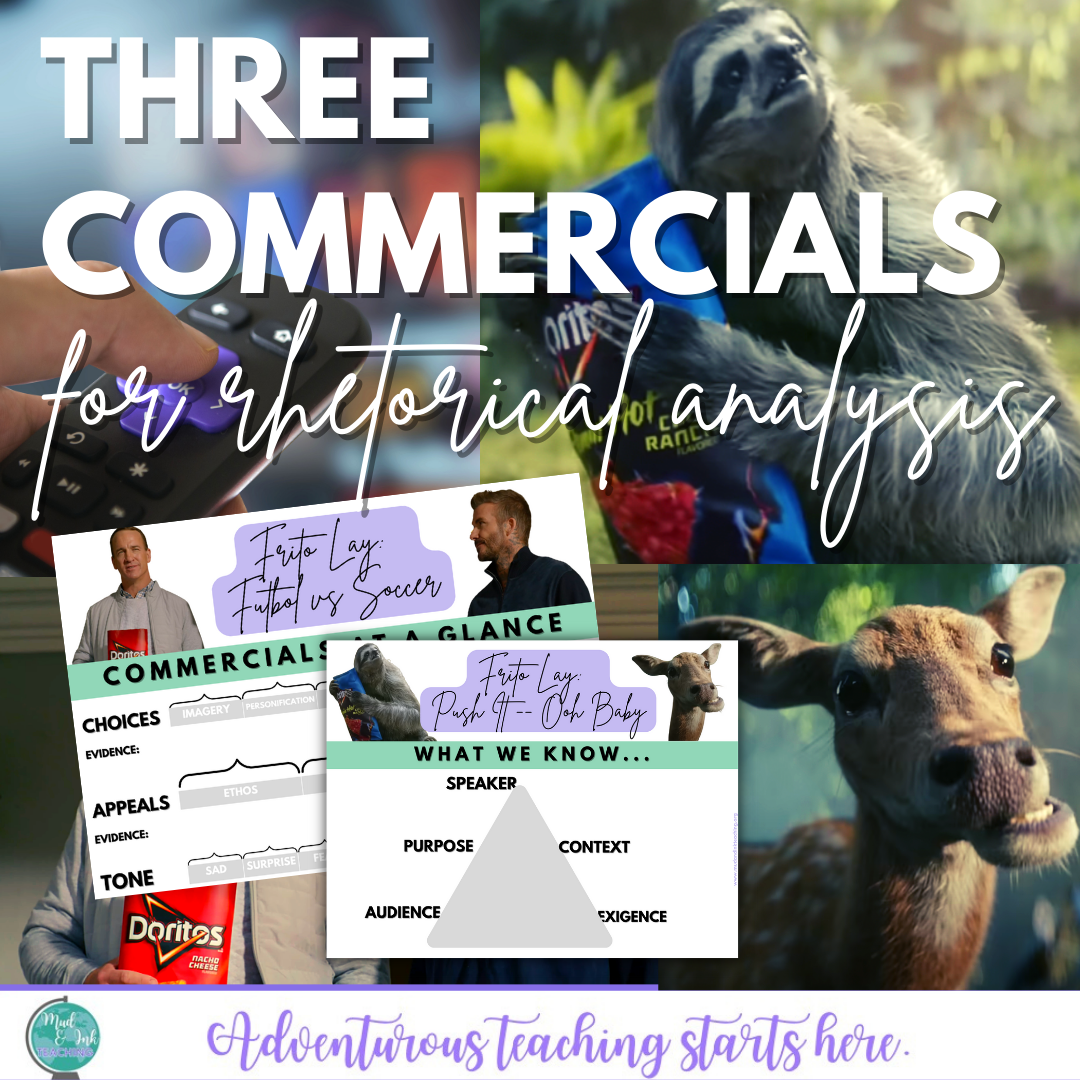
3 MORE Commercials for Rhetorical Analysis
Rhetorical analysis is a skill that needs practice and reinforcement all year long. Use this template and three commercial suggestions to help you get going with rhetorical analysis in your classroom.

Teaching Rhetorical Analysis: Using Film Clips and Songs to Get Started with SPACE CAT
Try beginning your rhetorical analysis lessons by focusing on the rhetorical situation before heading into deeper analysis. When you’re ready, dig in using SPACE CAT and a great song from a musical that has a premise and an argument to examine. Here’s what we’ve done in my class using “Mother Knows Best” from Tangled.

3 Super Bowl Ads to Analyze for Rhetorical Analysis
Rhetorical analysis is a skill that needs practice and reinforcement all year long. Take a break from what you’re doing and tackle these Super Bowl ads together for students to practice discussion and analysis in an entertaining and engaging lesson.

4 AP Lang Skills ALL Students Should Learn
AP Language and Composition shouldn’t be the only place where students learn certain skills. In fact, these skills are so important, they should really be spiraled down into all of the grade levels leading up to Lang. Here are my top four recommendations to consider in your vertical articulation in your English Department.

5 Common Mistakes Teachers Make When Teaching Figurative Language
Raise your hand if the first unit of your school year is a short story unit with figurative language terminology review? Yes? This is unit one in thousands of English classrooms and this makes me wonder…if they’ve done this so many times, why aren’t they experts? How is it that by unit 2, the next time we encounter an example of personification, they’ve forgotten the term altogether?
The thought process here is logical: provide terms, provide definitions, provide examples, practice, practice practice = learning has succeeded. But we see this doesn’t actually happen. So what’s not working?

Rhetorical Analysis: A "Hands-On" Approach
Keeping rhetorical analysis fun isn’t easy, but here’s a simple idea that requires no extra work on your end. Handprint or five-finger analysis is a memorable and creative way to analyze an argument and you can easily customize this organizer to fit any season or text you are studying.

How to Use a Makerspace in the ELA Classroom
If you aren’t familiar with a makerspace, it is a place where students can create, problem solve, and collaborate. One of the greatest benefits of implementing a makerspace is that it shakes things up from your normal routine. It gives your students the chance to get silly and creative while giving you the gift of seeing your kids in a totally different light. Not only does it foster learning through inquiry, but it also helps to build overall classroom community.

Mentor Sentences, Grammar, and Padlet: A Digital Lesson
Teaching grammar shouldn’t happen in isolation. Here is one Padlet-based lesson idea for teachers to practice grammatical concepts by writing and revising captions of various pictures.

The Rhetoric of a Desperate Candlestick {Teaching an Introduction to Rhetoric}
A curse. A desperate staff of household appliances and fixtures. One dinner. How will rhetoric move the needle?