Beyond the Picture Books: 12 YA Novels for Hispanic Heritage Month in High School ELA
Looking for Hispanic Heritage Month books for high school? Here are 12 YA titles — plus teaching tips — to bring Latine voices into your secondary ELA classroom.
If you've ever gone hunting for Hispanic Heritage Month book lists, you've probably noticed the same thing I have: they're beautiful, they're important, and they are almost entirely picture books. (Which — to be clear — I love. They're just not what most juniors are reaching for on a Tuesday.)
Secondary ELA teachers get skipped in these roundups all the time, so I made the one I wish I'd had. Every title below is young adult (or a memoir teens can actually sink into), written by a Latine author, and ready to be a window, a mirror, or a door for the students sitting in front of you. Hispanic Heritage Month runs September 15–October 15, but none of these are one-month books — they belong in your classroom library and your unit plans all year long.
I've organized them by question, because that's how I think about pulling any text into a unit: not "what month is it?" but "what are we asking, and whose voice helps us ask it better?"
A quick, honest share before we dive in: several of these deal with hard, real things — migration, grief, mental health, violence. They're written for teens, but you know your community and your readers best, so preview anything you're placing in front of a whole class.
Who am I? — Identity & Voice
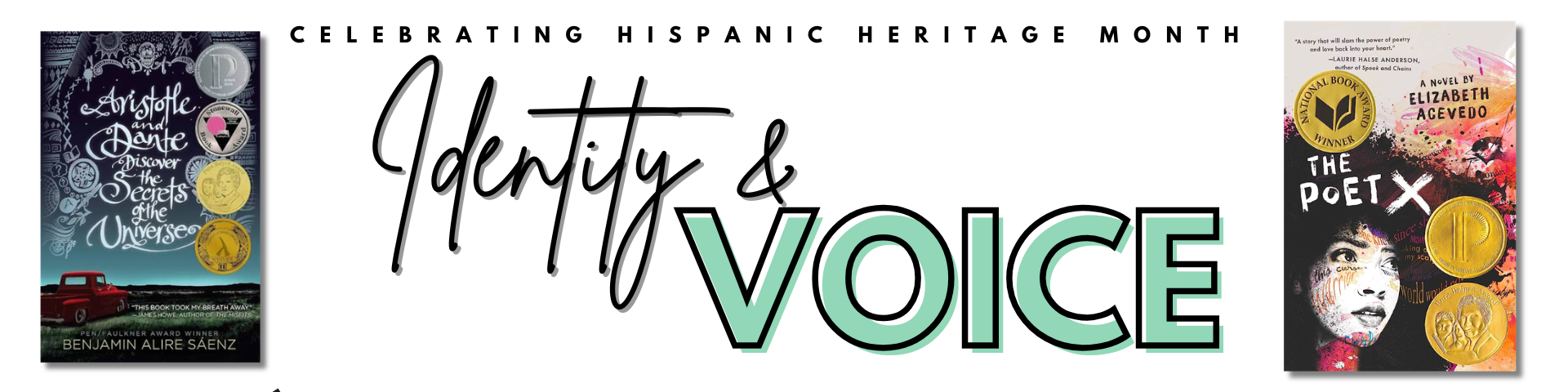
The Poet X by Elizabeth Acevedo — Xiomara writes her way toward her own voice in a novel told entirely in verse, wrestling with faith, family, and body all at once. Teaching move: pair a single poem-chapter with your close reading template and let students track how the line breaks carry the emotion — a perfect on-ramp before a full poetry unit. (If you already teach her poem "Afro-Latina," this is the natural next step.)
Aristotle and Dante Discover the Secrets of the Universe by Benjamin Alire Sáenz — Two Mexican-American boys in 1980s El Paso feel their way toward friendship, family, and identity in some of the most quietly gorgeous prose in YA. Teaching move: Sáenz is a master of the loaded short sentence — a great mentor text for teaching how style creates meaning.
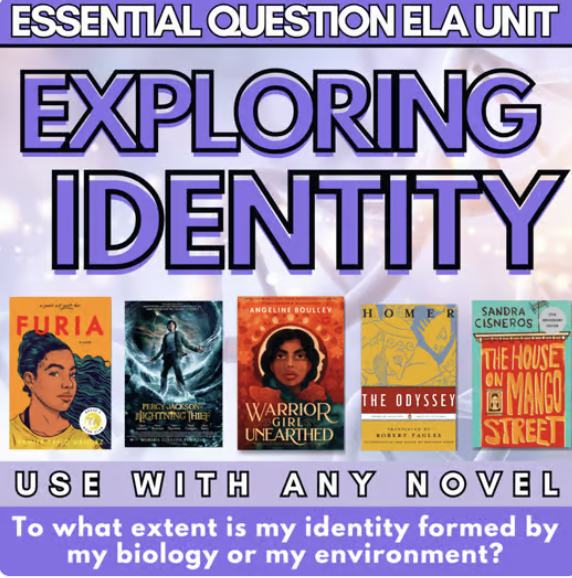
TEACHER TIP: If you’re looking at these titles and thinking, how do I use them for an Essential Question driven unit?, I’ve got you covered. These titles would work perfectly with my Essential Question Adventure Pack: EXPLORING IDENTITY.
In this unit, you’ll get everything you need to introduce the question, explore it through supplemental text, track evidence as you go week by week, and finally, assess student’s growing critical thinking as they answer: To what extent is my identity formed by my biology or my environment?
What do we owe our families? — Family & Expectations
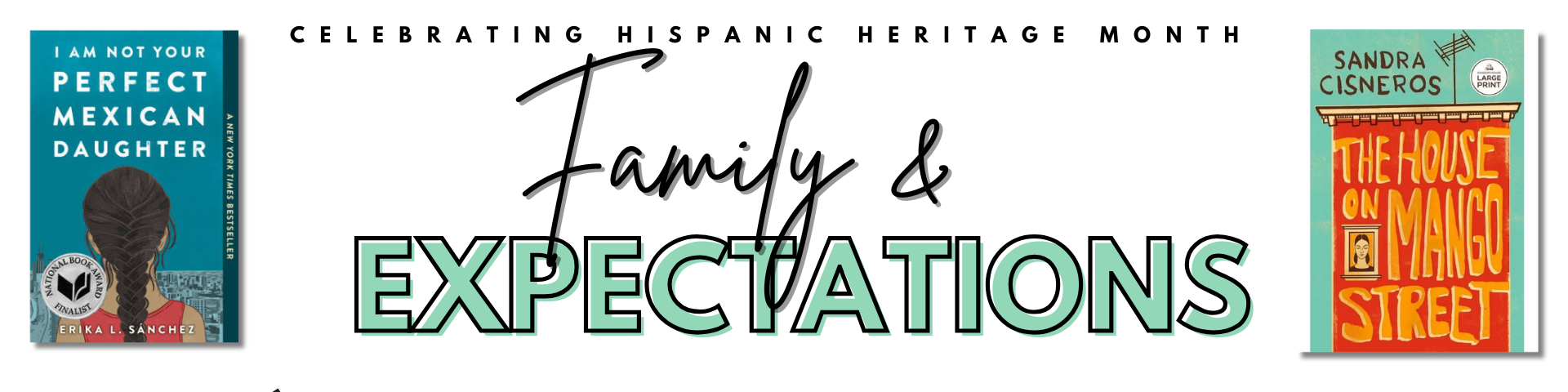
I Am Not Your Perfect Mexican Daughter by Erika L. Sánchez — After her "perfect" sister dies, Julia has to figure out who she is under the weight of everyone's expectations. Funny, raw, and deeply loved by students. Teaching move: a strong anchor text for an essential question about identity vs. obligation — and the film adaptation makes for a rich text-to-film analysis.
The House on Mango Street by Sandra Cisneros — The modern classic. Esperanza's vignettes are short, layered, and endlessly teachable. Teaching move: the vignette form is close-reading gold — hand students one page and ask what Cisneros does in so few words that most writers can't do in ten pages.
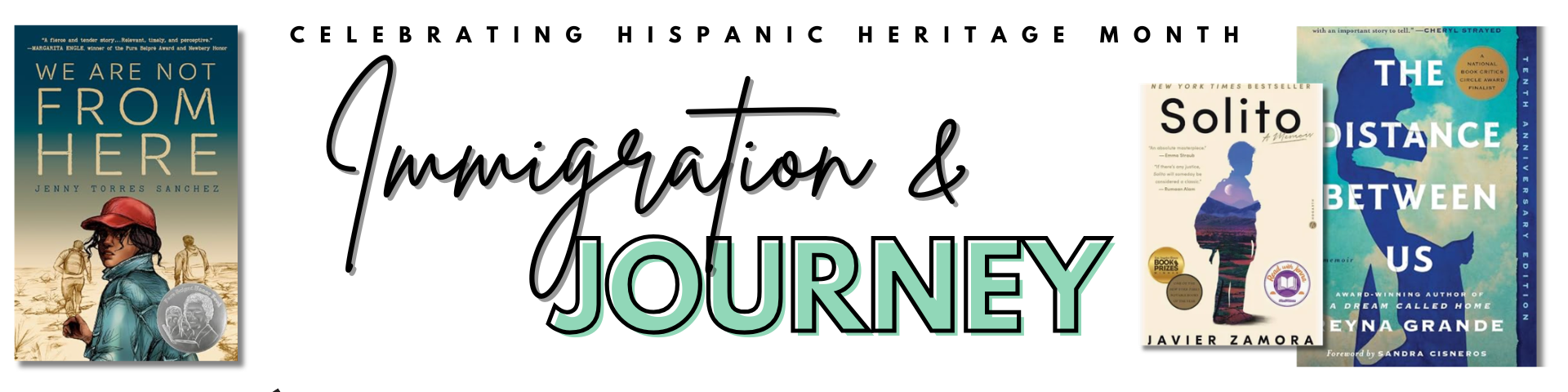
Where do I belong? — Immigration & Journey
The Distance Between Us by Reyna Grande (Young Readers Edition) — Grande's memoir of growing up on both sides of the U.S.–Mexico border is honest, accessible, and unforgettable. Teaching move: excellent nonfiction pairing for a synthesis unit — put it in conversation with a poem or an article on the same theme.
Solito by Javier Zamora — Zamora's memoir of making the journey north alone at nine years old reads like a thriller and lands like a punch. Teaching move: use a single chapter as a mentor text for sensory detail and pacing in narrative writing.
We Are Not From Here by Jenny Torres Sanchez — Three teens flee Guatemala in a story that is intense, timely, and impossible to put down. Teaching move: strong choice for a lit circle option so students can opt into the heavier material with support.
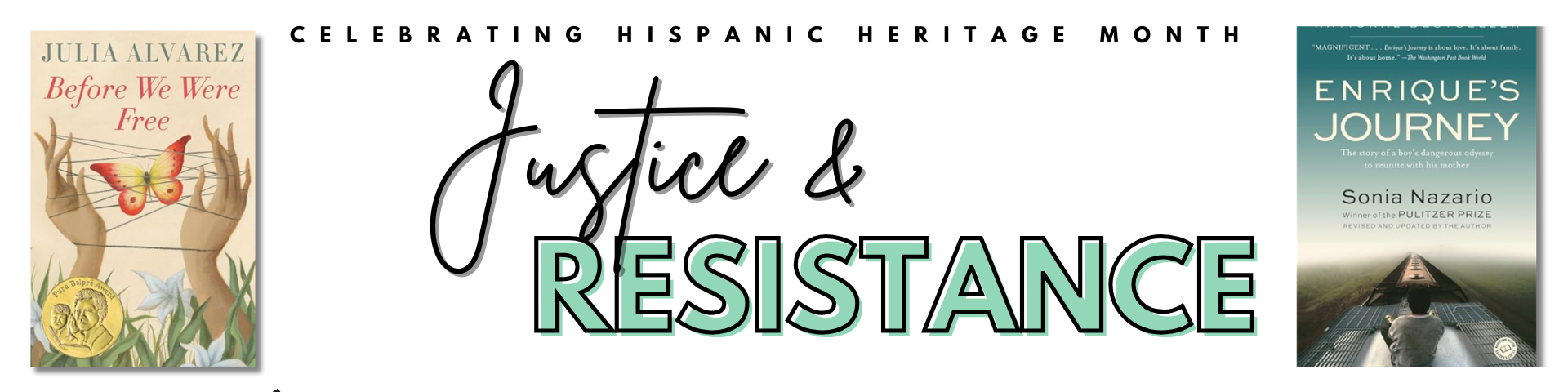
What does justice require? — Justice & Resistance
Before We Were Free by Julia Alvarez — Anita comes of age under a dictatorship in the Dominican Republic, learning what freedom costs. Teaching move: pairs beautifully with a rebellion or "voice" essential question; step advanced readers up to Alvarez's In the Time of the Butterflies.
Enrique's Journey by Sonia Nazario — The Pulitzer-winning account of a Honduran boy searching for his mother in the U.S. Teaching move: your go-to for teaching argument and evidence with long-form journalism — ideal for a synthesis essay.
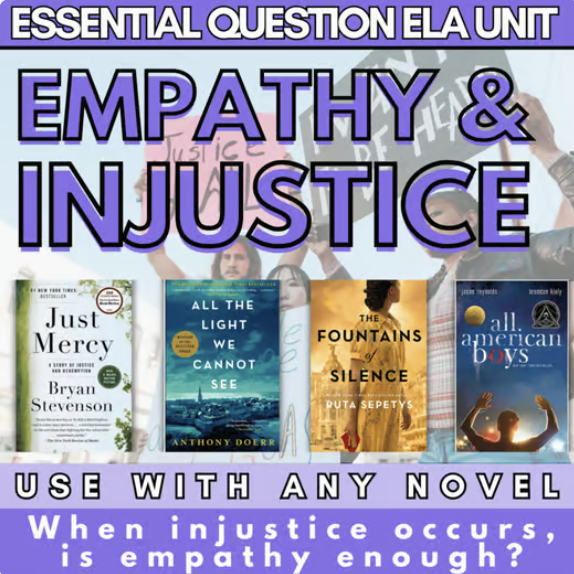
TEACHER TIP: If you’re looking at these titles and thinking, how do I use them for an Essential Question driven unit?, I’ve got you covered. These titles would work perfectly with my Essential Question Adventure Pack: EMPATHY & INJUSTICE.
In this unit, you’ll get everything you need to introduce the question, explore it through supplemental text, track evidence as you go week by week, and finally, assess student’s growing critical thinking as they answer: When injustice occurs, is empathy enough?
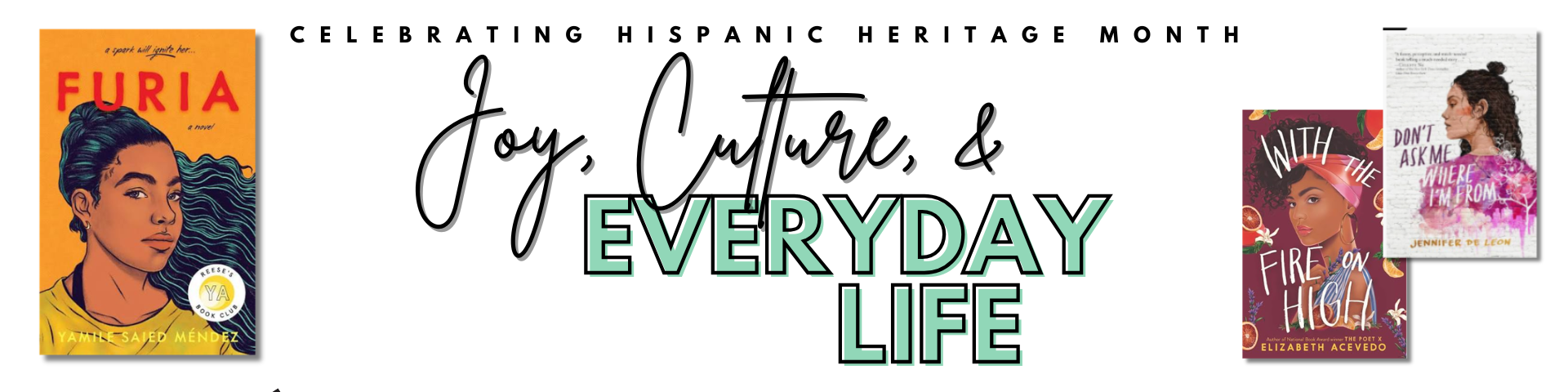
What makes a life joyful? — Joy, Culture & Everyday Life
With the Fire on High by Elizabeth Acevedo — Emoni is a teen mom and a gifted cook chasing a future on her own terms. Warm, hopeful, delicious. Teaching move: a lovely counterweight if your reading list has been heavy — talk about how authors build joy on the page.
Furia by Yamile Saied Méndez — Camila is a rising soccer star in Argentina fighting for a future her family can't yet imagine. Teaching move: great for character-motivation work and a discussion of gender expectations across cultures.
Don't Ask Me Where I'm From by Jennifer De Leon — Liliana gets bused to a wealthy suburban school and navigates identity, code-switching, and casual racism. Teaching move: the microaggressions in this book spark honest, high-level discussion — a strong first-week-of-the-unit text.
How to actually teach these (without adding six preps)
You don't need a whole new unit to bring these voices in. A few low-lift ways I use titles like these:
Close read one excerpt. Pull a single powerful page, drop it into your close reading routine, and let it stand next to whatever you're already teaching. New voice, same skills.
Anchor it to an essential question. Any of these slots into an inquiry unit you're already running on identity, justice, finding one’s voice, or belonging.
Offer choice. If you want students exploring these all month, my Hispanic Heritage Month Choice Board lets them pick their own path through stories, poetry, and art — perfect for bell work or early finishers.
Build the display. A visible classroom library says these voices matter here. My Latinx Poets & Authors decor and library display set makes it easy to feature these authors on your wall and shelves.
LOOKING FOR MORE BOOK RECOMMENDATIONS?
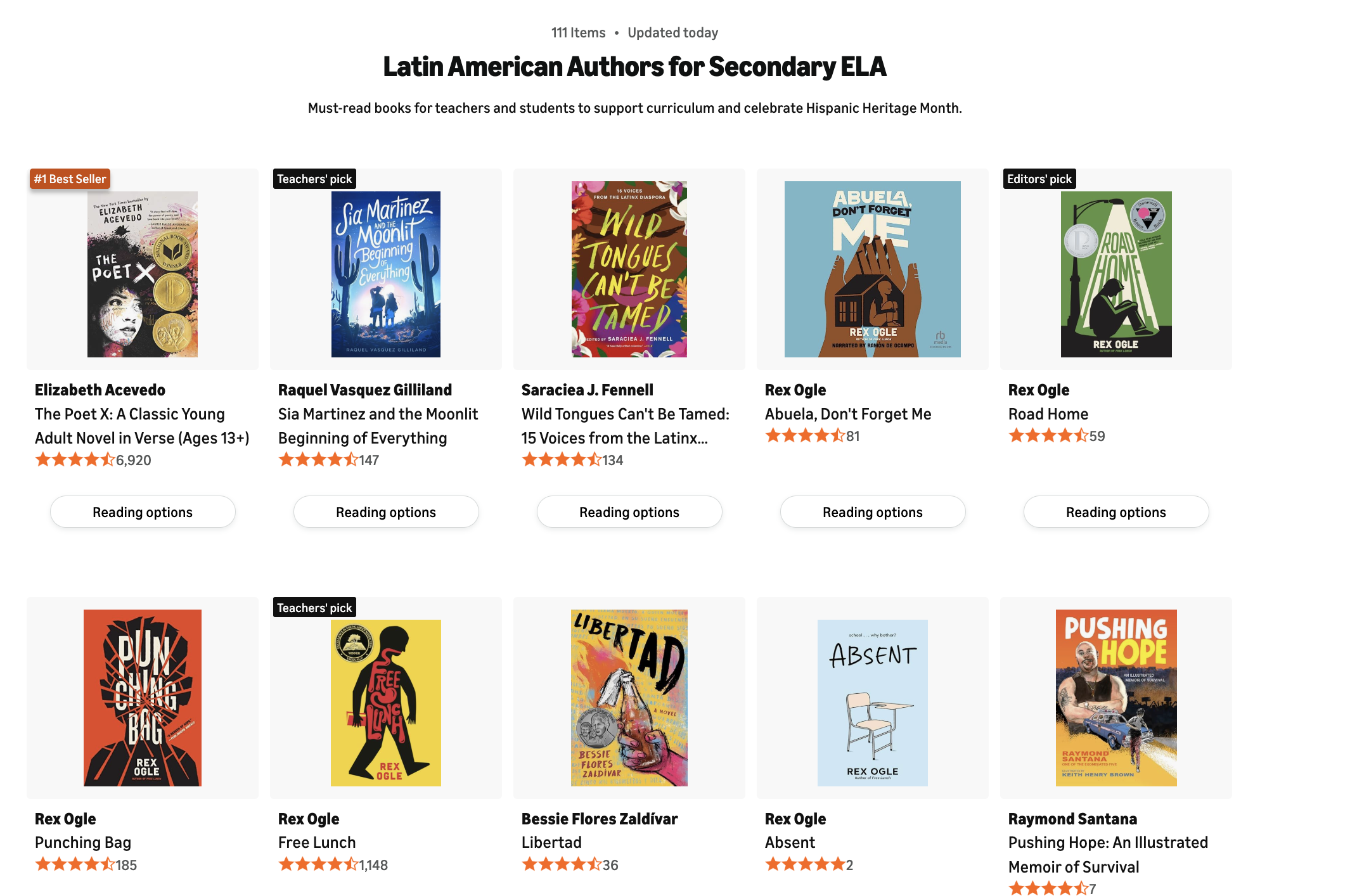
You can find all twelve of these titles (and more!) on my Amazon storefront.
Aristotle and Dante Discover the Secrets of the Universe by Benjamin Alire Sáenz
Furia by Yamile Saied Méndez
The Distance Between Us by Reyna Grande
CHECK THE STOREFRONT FOR EVEN MORE RECOMMENDATIONS ADDED REGULARLY!
Want the whole month planned for you?
If you want to keep going beyond novels, don't miss 7 LatinX Poets You Should Be Teaching Right Now and 6 Ways to Highlight LatinX Culture in the ELA Classroom — they pair perfectly with this list.
Which of these is already on your shelf? I'd love to know what your students are reaching for!